All Categories
Featured

Will Better Systems Grow Your Marketing Agency?
Table of Contents
One thing we understand is that income operations leaders do not think their processes are versatile or efficient adequate to permit them to react to changing market conditions. Forrester's Income Operations Study, 2024, found that 49% of income operations leaders believe their procedures aren't versatile enough for quick action when conditions change, and 46% believe their procedures are primarily manual and lack automation.
Advances in AI technologies assure performance gains, game-changing breakthroughs, and a total reimagining of what's possible across all corners of GTM efforts. Yet companies count on revenue operations functions to line up longer-term vision with smooth execution by taking charge at the intersection of GTM process, innovation, and people to drive value for clients and internal stakeholders.
[target2:anchor_exact1]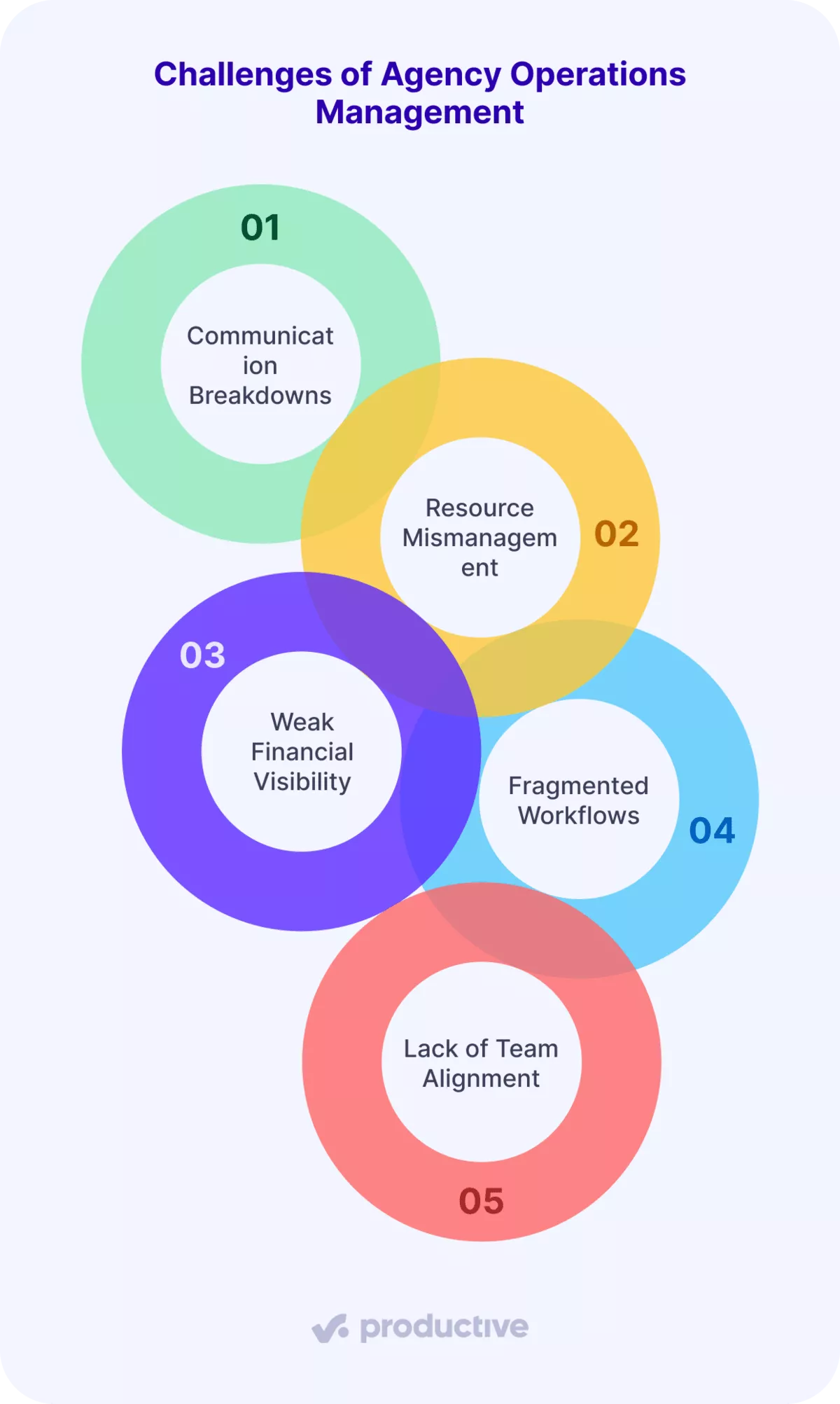
Earnings operations should guide the vision by actively applying AI across GTM processes to gain the guaranteed benefits. To benefit from AI's promise of increased performance and lower costs, companies require data of quality, texture, and compound suitable to the task. Forrester's Income Operations Study, 2024, found that B2B companies aren't there yet, with 38% of revenue operations leaders thinking that data doing not have in accuracy and quality is among information users' leading challenges.
Ways to Scale a Marketing Business for 2026
There's no better expression of a company's top priorities than where it applies its resources. To line up resources with 2026 imperatives, operations leaders need to: AI is expected to open a host of new capacity, but to take benefit of this minute, operations leaders require to remain concentrated on using it to make their organizations more versatile, nimble, and adaptable.
Numerous out-of-date B2B practices continue due to the established state of mind of "that's the way it's constantly been done." But developing more adaptable, effective, and customer-obsessed GTM procedures require B2B organizations to include the new by rooting out legacy investments that keep them locked in the past. Operations leaders can look for cost savings by moving far from antiquated sales role-plays, tactic-level marketing attribution, and ineffective pursuit of a single source of reality cutting across information sources.
Now's the time for forward-looking profits operations leaders to explore brand-new approaches that might drive adaptability. Develop experiments around adaptive preparation, pilot brand-new strategies for effort prioritization, and deal with information ontologies that can power AI efforts. Forrester clients can read our in-depth suggestions in the report, Budget plan Planning Guide 2026: Profits Operations, or register to sign up with me and my associates for a webinar where we'll discuss our budget plan suggestions in information and answer your questions.
In today ambitious landscape, every group within marketing has its role to play in driving development, supporting sales, and improving functional performance. Today, in a fast-pathed software application business of practically 1,000 staff members with ambitious growth targets, I see firsthand the importance and difficulties of having a strong Marketing Operations group.
The battle is genuine, but the prospective effect is even greater! At its core, Marketing Operations drives the efficiency, scalability, and success of both sales and development marketing efforts. This team is often responsible for establishing and managing CRM databases, refining lead scoring models, assigning leads, analysing sales and marketing efficiency, and building automation to improve both sales and marketing effectiveness.
Strategic Advisory to Improve Agency Operations
In younger organisations, particularly startups and scale-ups, Marketing Operations is frequently under-resourced and misinterpreted. Source: Material Marketing Institute When Marketing Operations is fully leveraged, it acts as an effective enabler, helping sales groups close offers quicker and development marketing groups accomplish greater returns on financial investment. Without a strong Marketing Operations function, companies risk inefficient processes, lost leads, unclear performance metrics, and missed growth chances.
Marketing Operations manages and optimises CRM data to guarantee that sales and marketing teams have access to premium leads and precise consumer details. Inadequately managed databases lead to wasted resources, as sales teams may lose time going after cold or inaccurate leads. Lead Assignment and Lead Scoring: When Marketing Operations effectively assigns leads and implements a strong lead scoring system, it guarantees that sales associates are investing time on leads that are probably to transform.
Performance Analysis and Reporting: Among the most crucial responsibilities of Marketing Operations is measuring and analysing marketing and sales performance. This includes whatever from tracking key performance signs (KPIs) to comprehending which campaigns deliver the finest ROI. By delivering actionable insights, Marketing Operations empowers leaders to make data-driven choices, fine-tune methods, and optimise spending plans.

Latest Posts

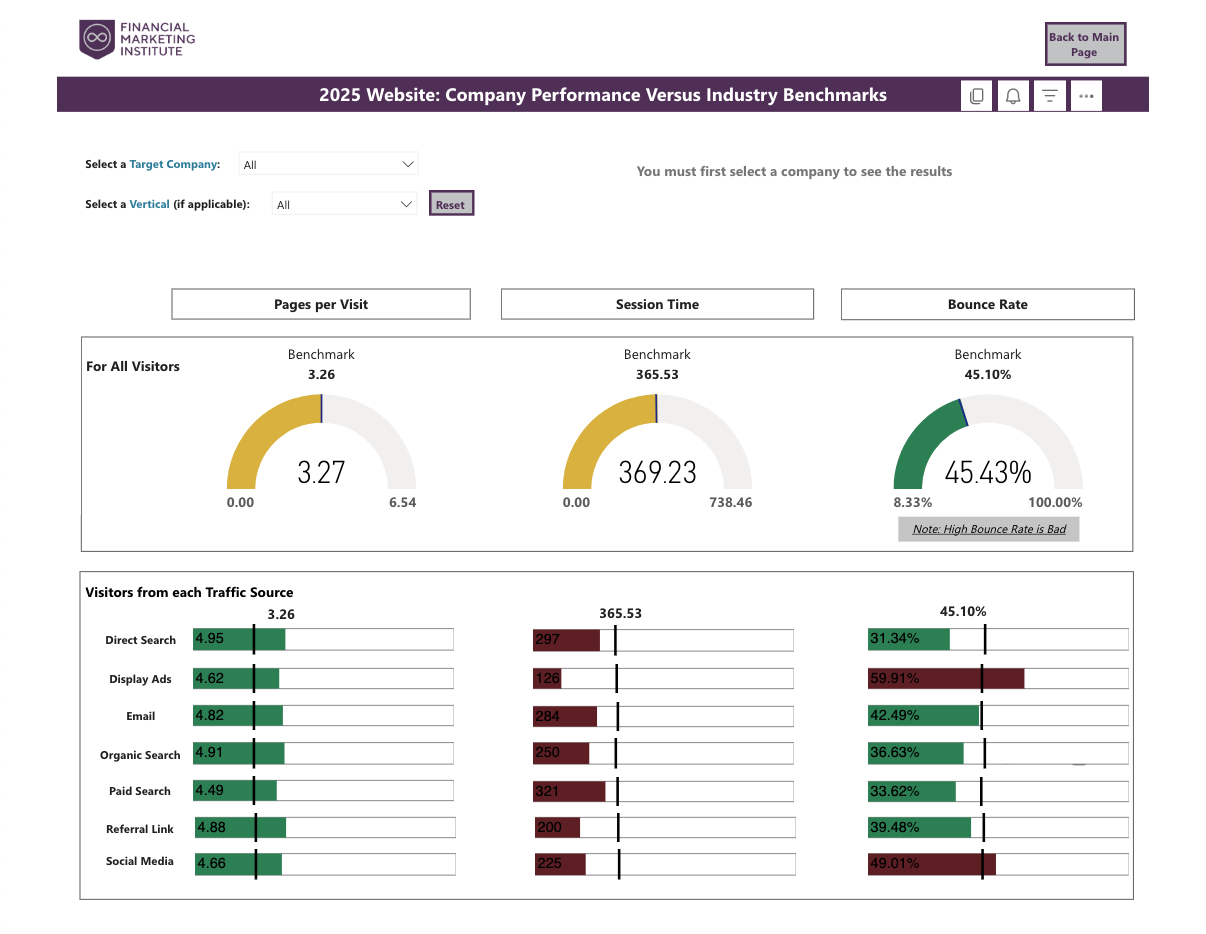
Reviewing Industry Marketing Benchmarks for Hit Future Goals
Real-World US Business Success Reports

Comparing Marketing Benchmarks Within American Sectors